
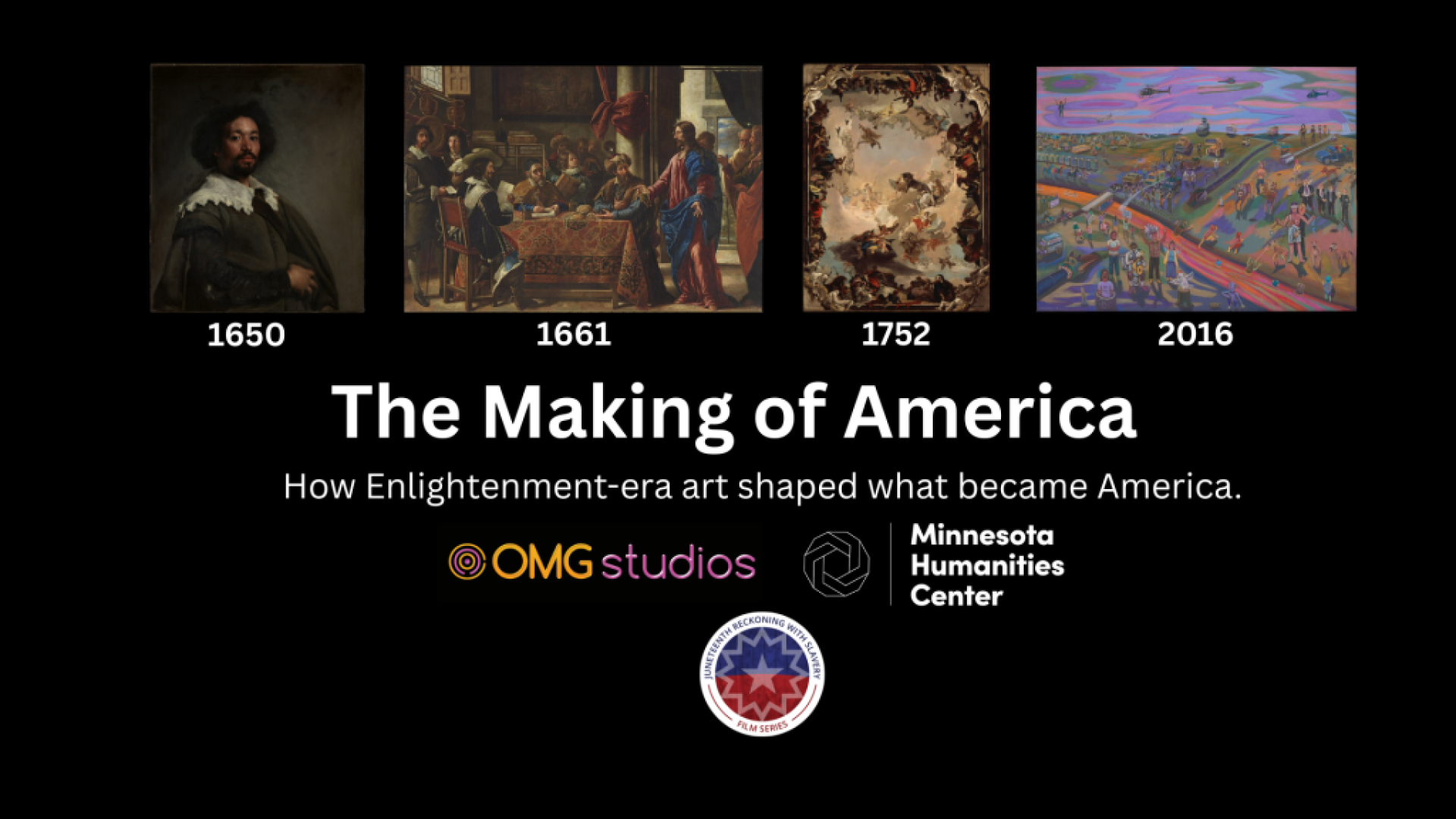
The Making of America can be likened to the forging of a vast and diverse tapestry, woven from the threads of ambition, resilience, and dreams. Just as a tapestry requires a skilled hand to bring together disparate colors and textures into a cohesive whole, the creation of America was a complex process that united a multitude of cultures, ideologies, and aspirations. It began with the vision of a global intent of colonization, domination and white supremacy, though history spun as seeking pilgrimage and opportunity. Through painful weaving of a nation through civil conflict, and the constant push for civil rights and equality, each thread represents the unique contributions of indigenous peoples, enslaved captives, immigrants, and the diverse communities who have shaped the nation. This allegory highlights the ongoing endeavor to create a society that strives for unity while celebrating diversity, embodying the ever-evolving American spirit. It is a canvas built on truth and reckoning.
The Making of America
Order, Extraction, and the Making of America
A humanities documentary tracing how Enlightenment ideas shaped slavery, land seizure, and Indigenous removal.
The time is 1650 – Present
Project Narrative
Juneteenth Reckoning with Slavery (Film 7) is a humanities documentary that investigates how Enlightenment-era systems of knowledge—art, science, architecture, and cartography—produced enduring frameworks for racial slavery, territorial extraction, and Indigenous dispossession in what became the United States. The film advances the argument that these outcomes were not aberrations or moral failures of Enlightenment thought, but consequences of its visual and epistemological commitments to order, hierarchy, and rational control.
Intellectual Significance
Drawing on art history, history of science, Indigenous studies, African American studies, and critical geography, Film 7 examines visual culture as a primary historical source. Allegorical imagery, slave-ship diagrams, plantation plans, and territorial maps are treated not as illustrations but as instruments of power that shaped how societies understood humanity, land, and value. By foregrounding these materials, the project contributes to interdisciplinary scholarship on how knowledge systems structure social and political realities.
Historical Argument
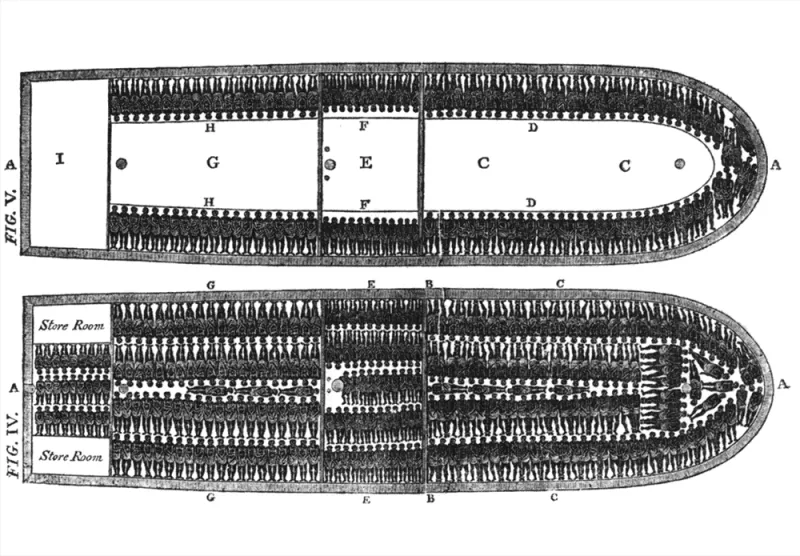
The film traces a continuous logic across four stages. First, Enlightenment allegory visualized the universe as a hierarchical system aligned with European authority. Second, scientific practices of measurement and classification translated this worldview into techniques for governing human bodies, most visibly in slave-ship diagrams that rendered captivity as spatial efficiency. Third, plantation architecture extended this logic onto land, embedding surveillance and extraction into the built environment. Finally, territorial mapping and treaty-making applied the same rational frameworks to Indigenous homelands, culminating in forced removal.
Case Study: Minnesota and Bdote
Film 7 grounds its national argument in a regional case study centered on Bdote, the confluence of the Mississippi and Minnesota Rivers and a place of origin for the Dakota people. Military forts, surveys, and legal documents transformed a sacred landscape into strategic territory, illustrating how Enlightenment rationality enabled dispossession while maintaining bureaucratic legitimacy. This localized focus enables audiences to see national systems operating at the scale of lived geography.
Public Humanities Contribution
The project is designed to engage broad public audiences through screenings, facilitated discussions, and educational materials. By making visible the intellectual foundations of slavery and settler colonialism, Film 7 encourages critical reflection on how historical knowledge continues to shape contemporary institutions. The film supports philanthropic priorities by fostering humanities-based inquiry, promoting inclusive historical narratives, and connecting scholarly research to public understanding.
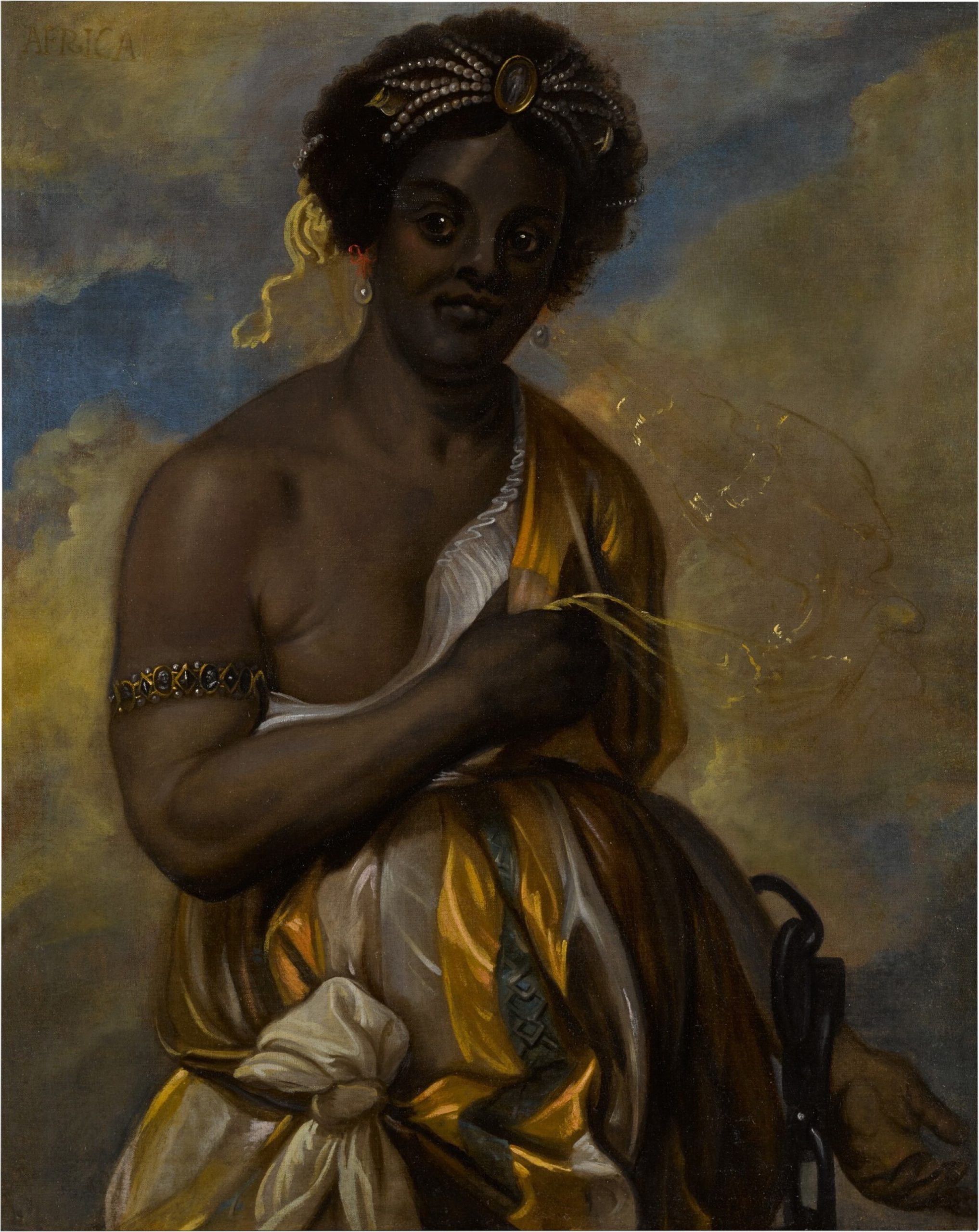
Allegory of the Making of America
-
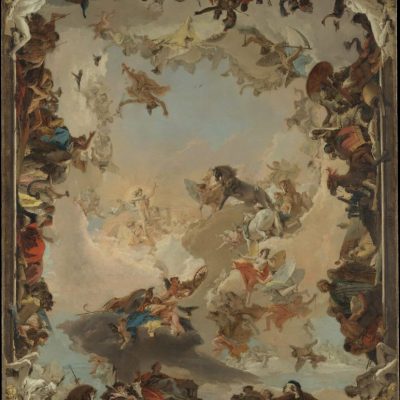
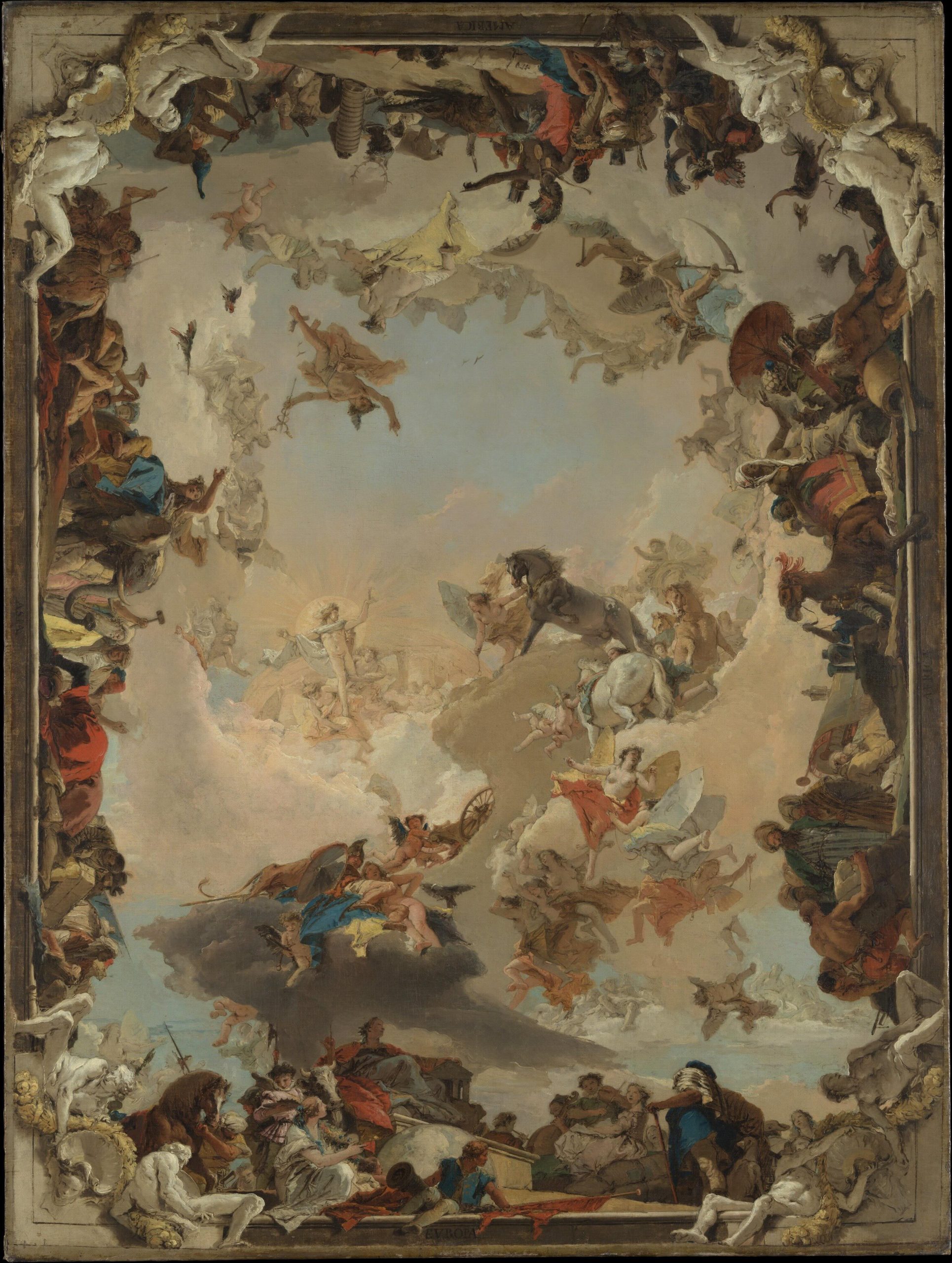
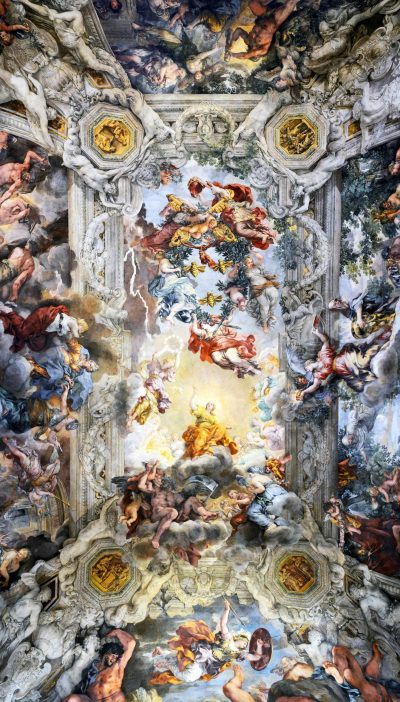
- Allegory of the Planets and Continents Giovanni Battista Tiepolo http://www.metmuseum.org/art/collection/search/437790
-
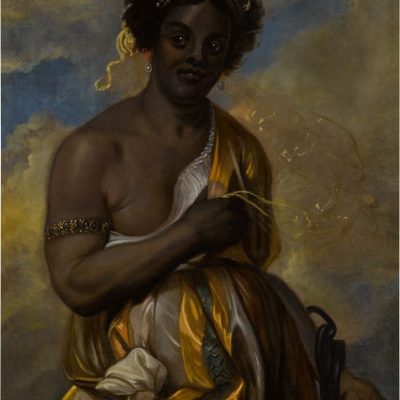
- Africa Standing figure amid cobalt mines and server cables •Americas Indigenous land overlaid with slave routes, pipelines, prisons •Asia Factory skylines dissolving into floodwaters •Europe Fragmented statues clutching museums, maps. the Continents Speak Back. The continents are not passive. They remember.
-

- The False Heavens . . A grand, baroque ceiling fresco—beautiful, floating, harmonious, Roman-style planetary figures orbit serenely • Continents recline as idealized bodies, This is the lie we inherited.
-
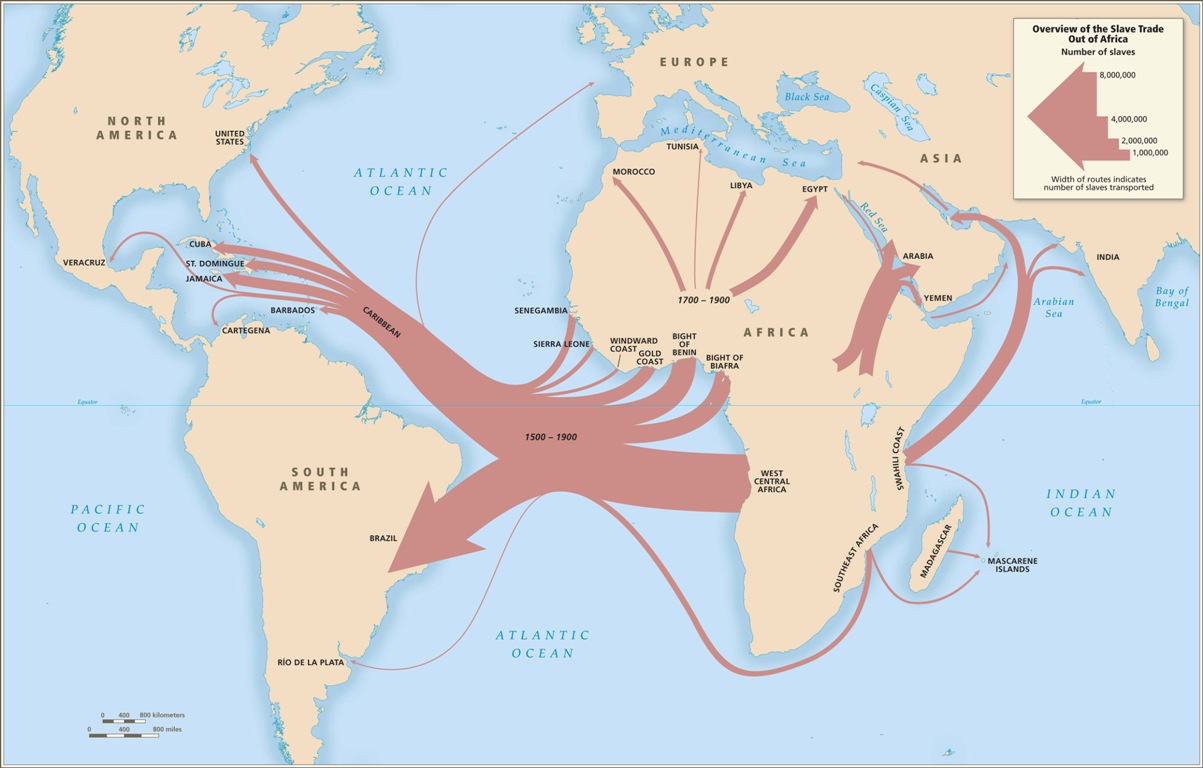
- Art teaches viewers that hierarchy is natural before laws ever enforce it. These diagrams justified slavery as efficient rather than violent. Enslavement becomes permanent infrastructure.
-
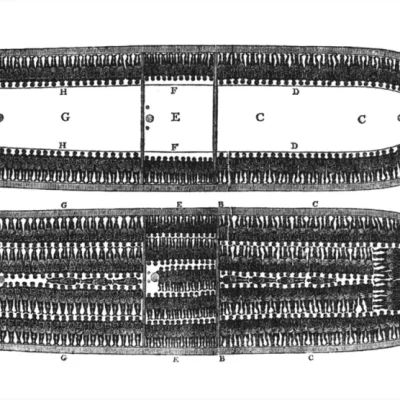
- Satellite orbits dissolve into circular diagrams •The diagrams resolve into slave-ships. This is where abstraction became flesh.
-
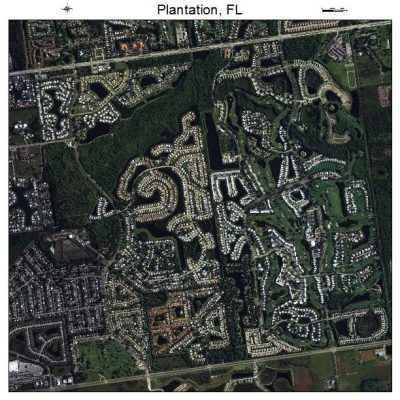
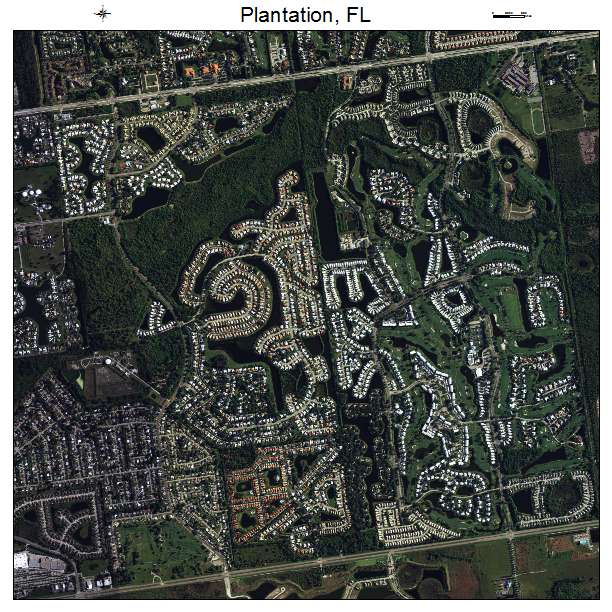
- Aerial plantation plans, big house symmetry, field grids. Plantation grids morph into: •Industrial farms •Warehouses •Prisons •Data centers The system never ended. It optimized. Survey grids, treaties, westward maps.
-
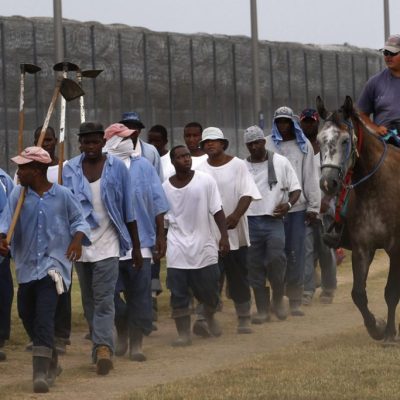
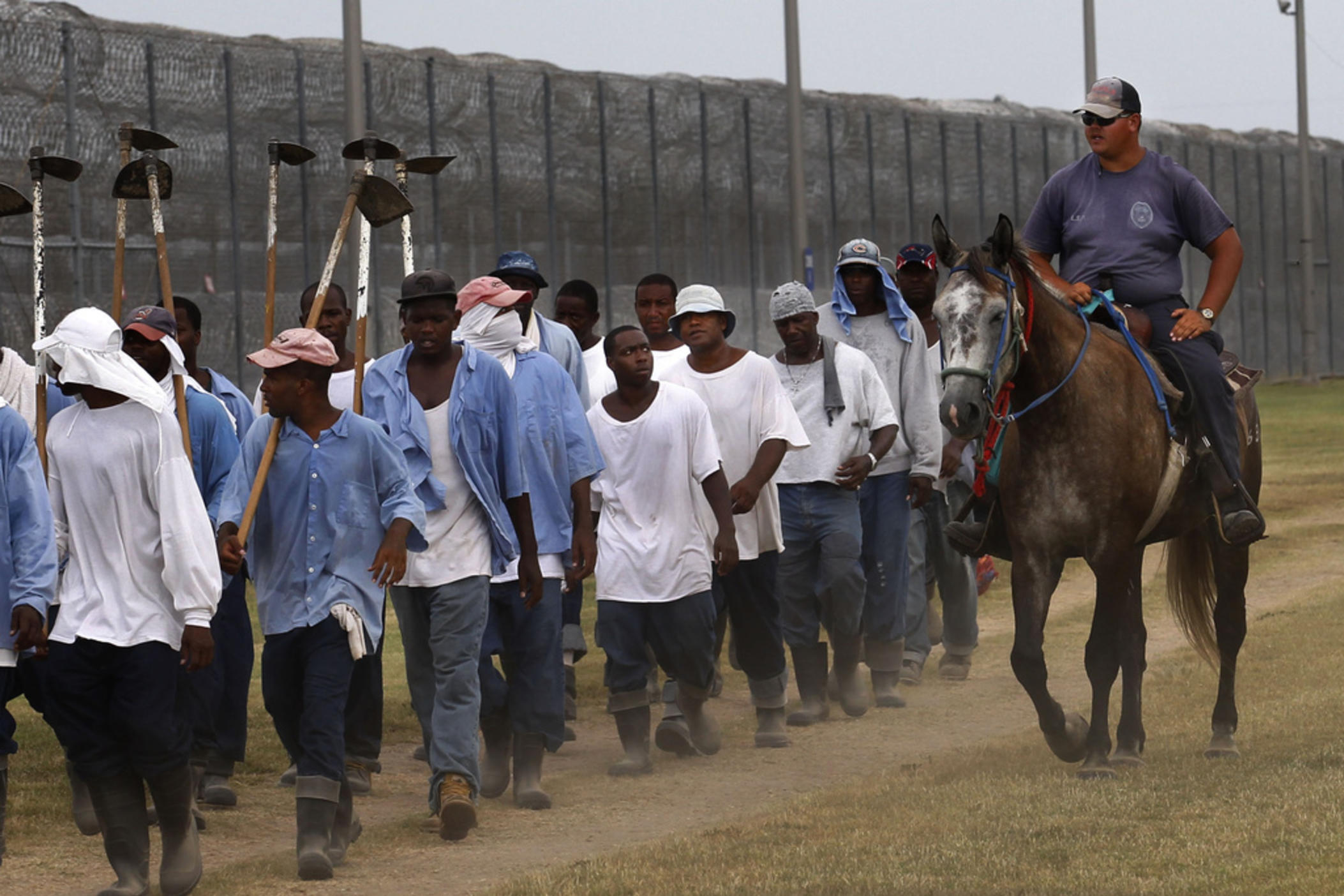
- In this Aug. 18, 2011 photo, a prison guard rides a horse alongside prisoners as they return from farm work detail at the Louisiana State Penitentiary in Angola, La. After the Civil War, the 13th Amendment's exception clause, that allows for prison labor, provided legal cover to round up thousands of mostly young Black men. They then were leased out by states to plantations like Angola and some of the country's biggest privately owned companies, including coal mines and railroads. (AP Photo/Gerald Herbert)
-

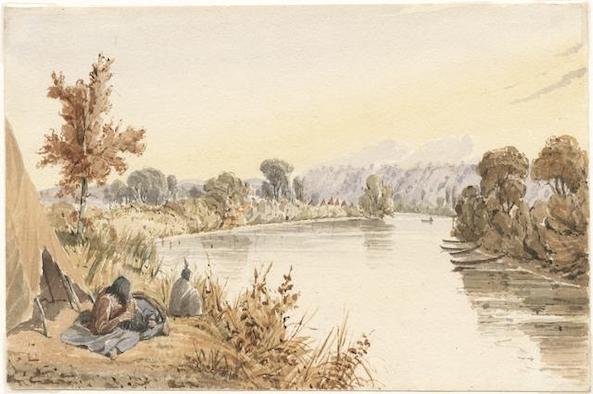
- Confluence of rivers, Fort Snelling, winter landscapes. River Land is abstracted into property. Indigenous presence is erased. The same logic that managed enslaved bodies now manages territory.

-
- Ghosted overlays of removal, execution, survival. The land remains after the Dakota are forcibly removed by the US government.
-

- The place of origin is reframed as strategic ground. Rational order enables Indigenous removal. The land outlives the myth.

-

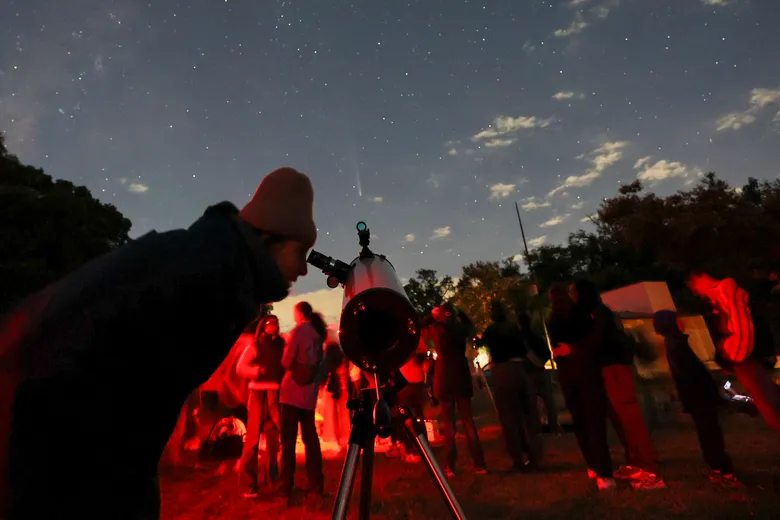
- People on every continent looking upward •Sky crowded, dim, unstable •One satellite fails and falls—burning. The future will not come from above.

-

- Film 7 examines the visual systems—art, diagrams, architecture, and maps—that trained societies to accept inequality.

-
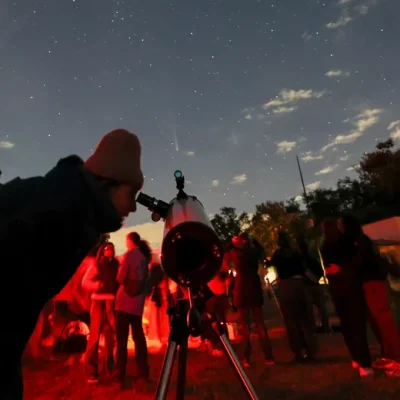
- Slavery and dispossession were designed, not inevitable. Understanding the past is essential to ethical repair.
-

- Knowledge becomes a tool of governance over bodies and land. Server farms, facial recognition grids, Data streams flowing faster than bodies can move.

-

- Oil fields burning beside solar arrays

-

- Drones over deserts, cities, borders. Power no longer pretends to be sacred.

-
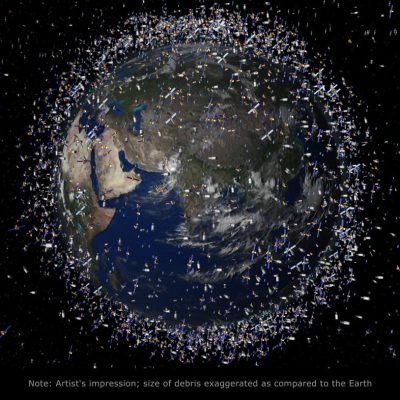
- Film 7 advances humanities scholarship by demonstrating how Enlightenment knowledge systems materially shaped American slavery and settler colonialism. The project connects interdisciplinary research to public audiences, aligning with priorities in inclusive history, critical inquiry, and civic dialogue. Film 7 transforms complex history into accessible visual storytelling, enabling public audiences to see how systems of domination were built—and how they can be unlearned.
