
ART IS HISTORY
OMG Studios Art Innovation Lab Session
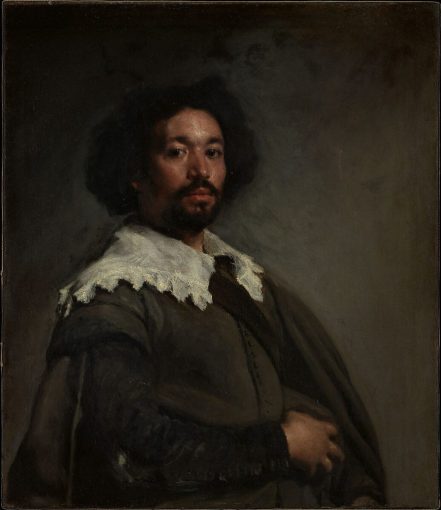
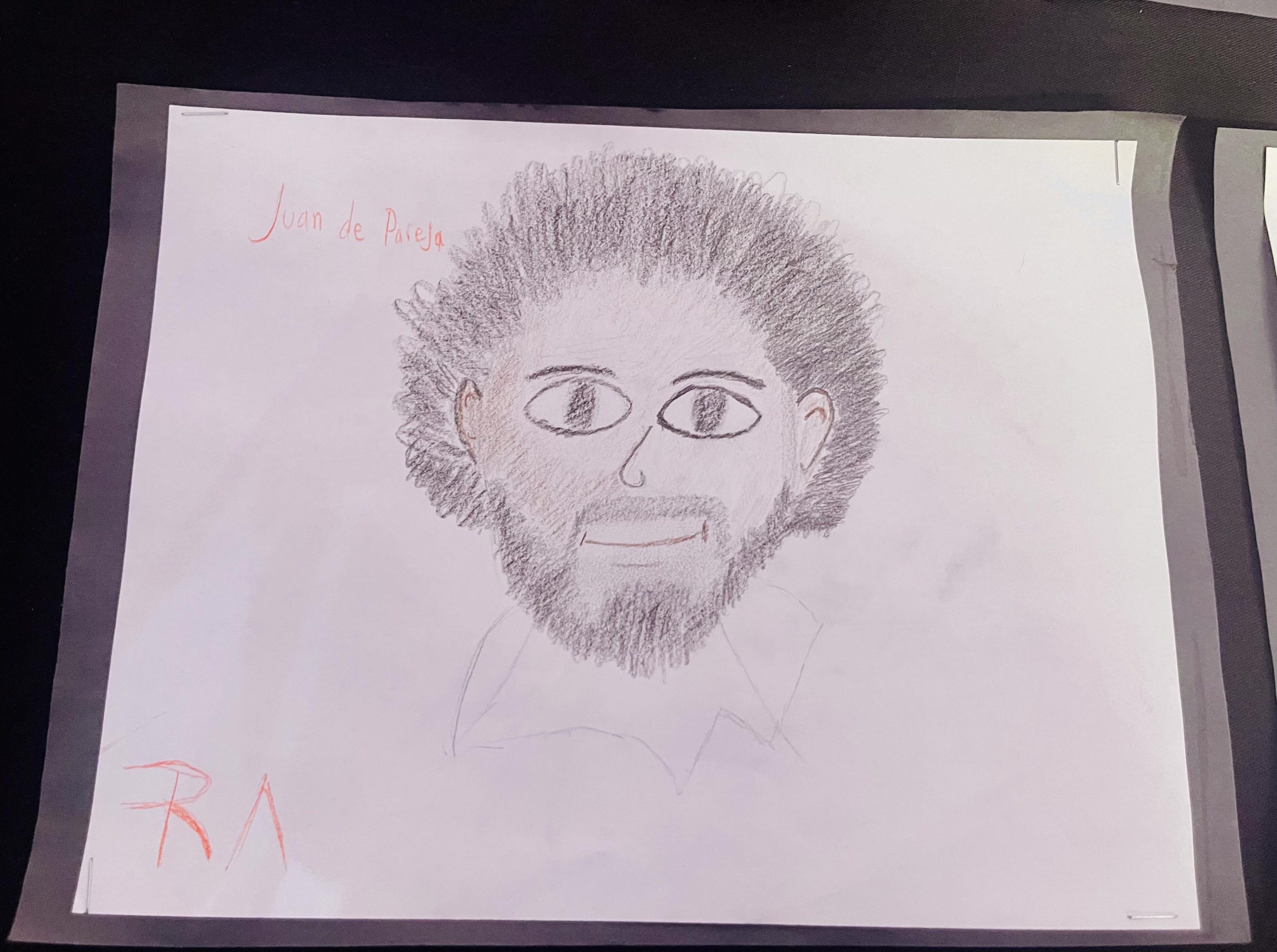
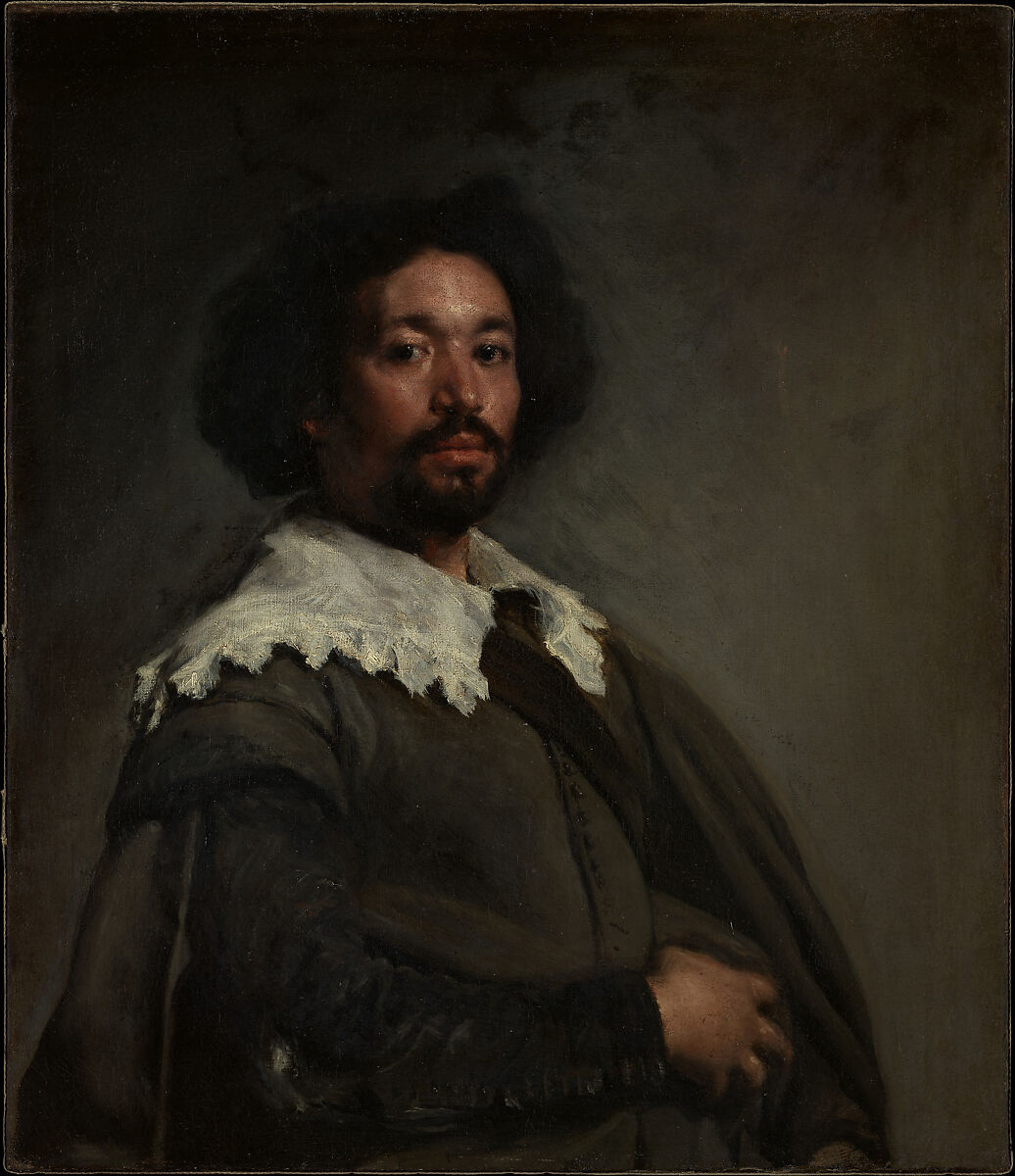
Portrait of Juan de Pareja by Diego Velázquez (c. 1649-1651)
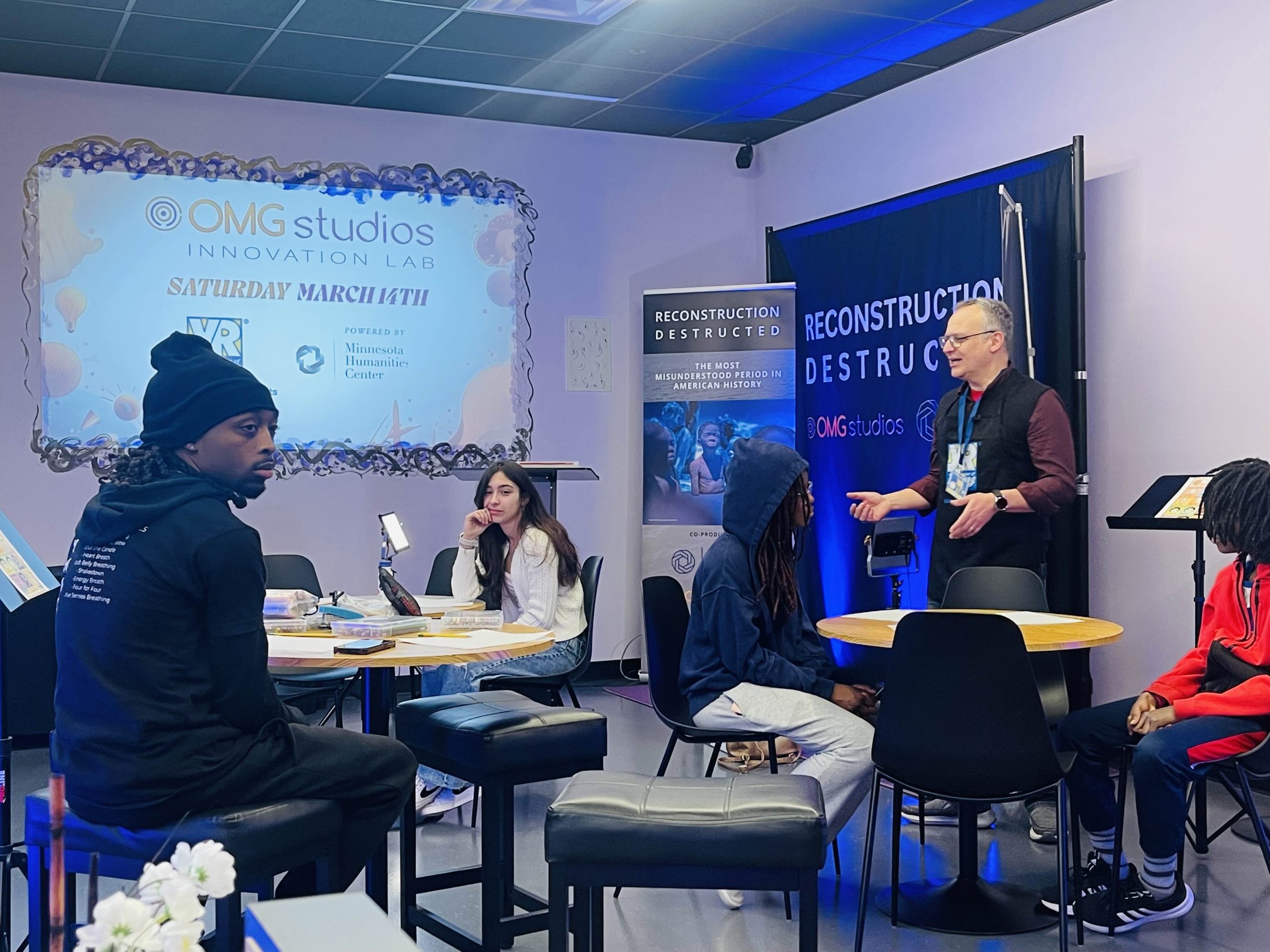
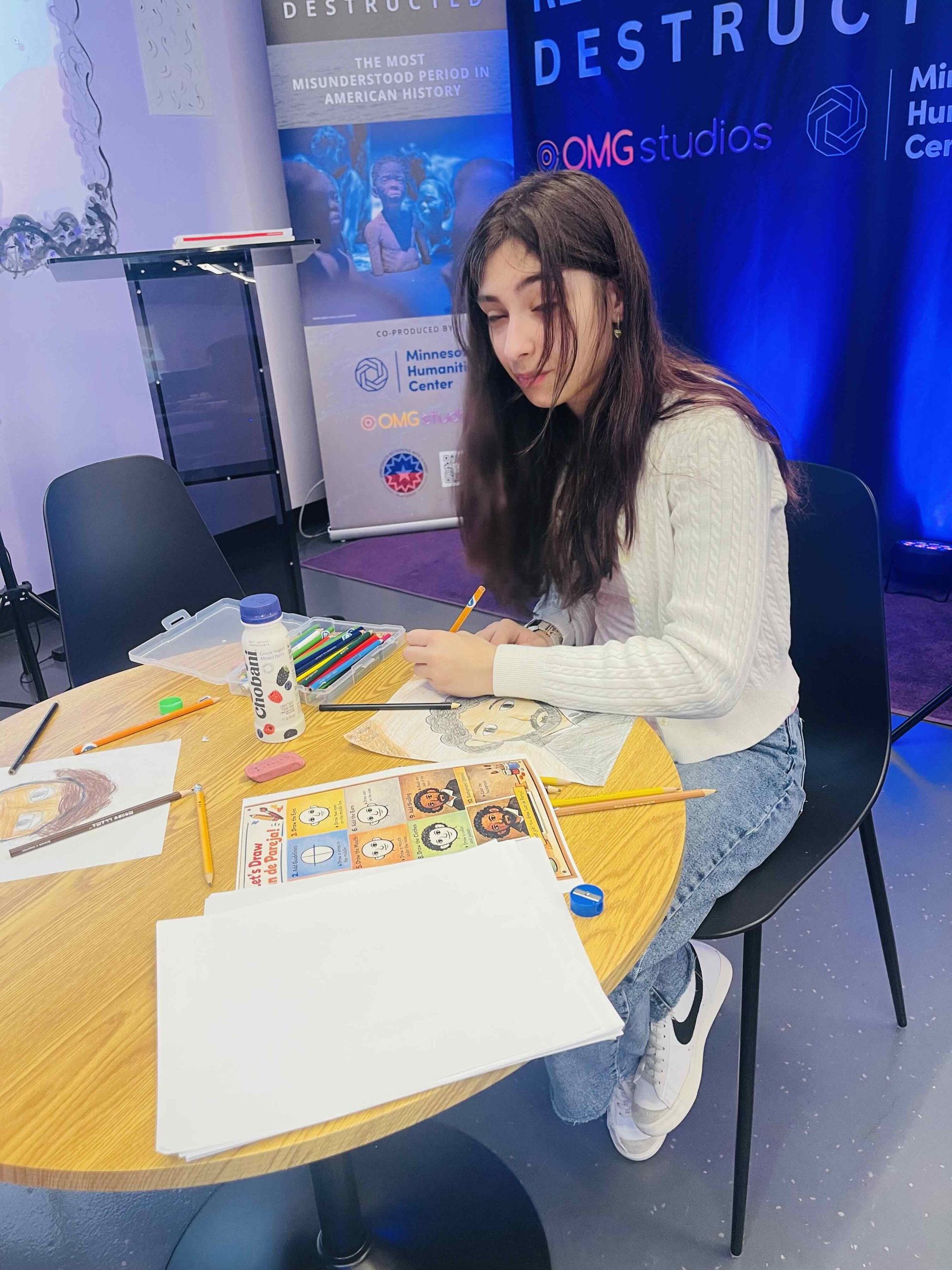
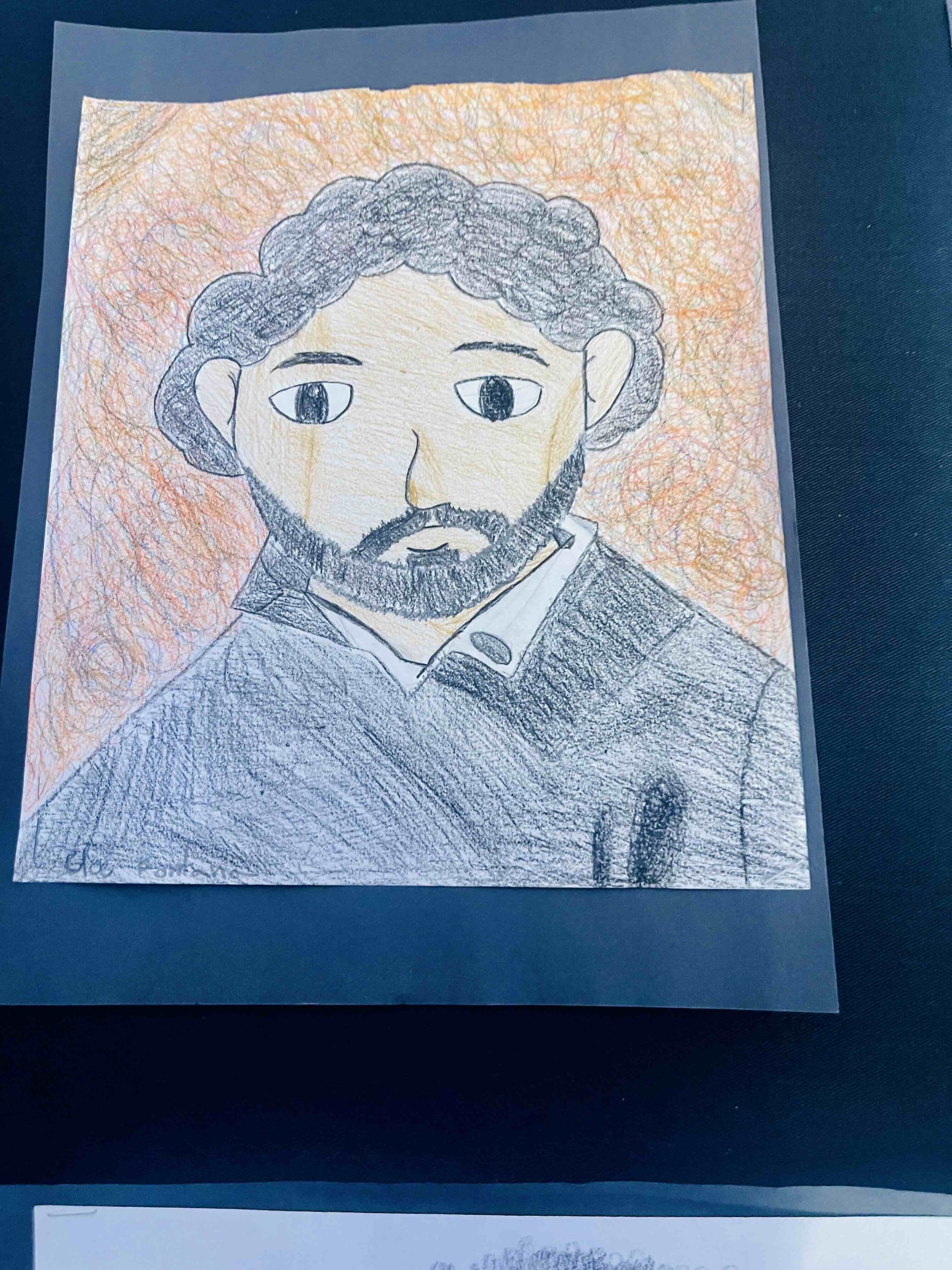
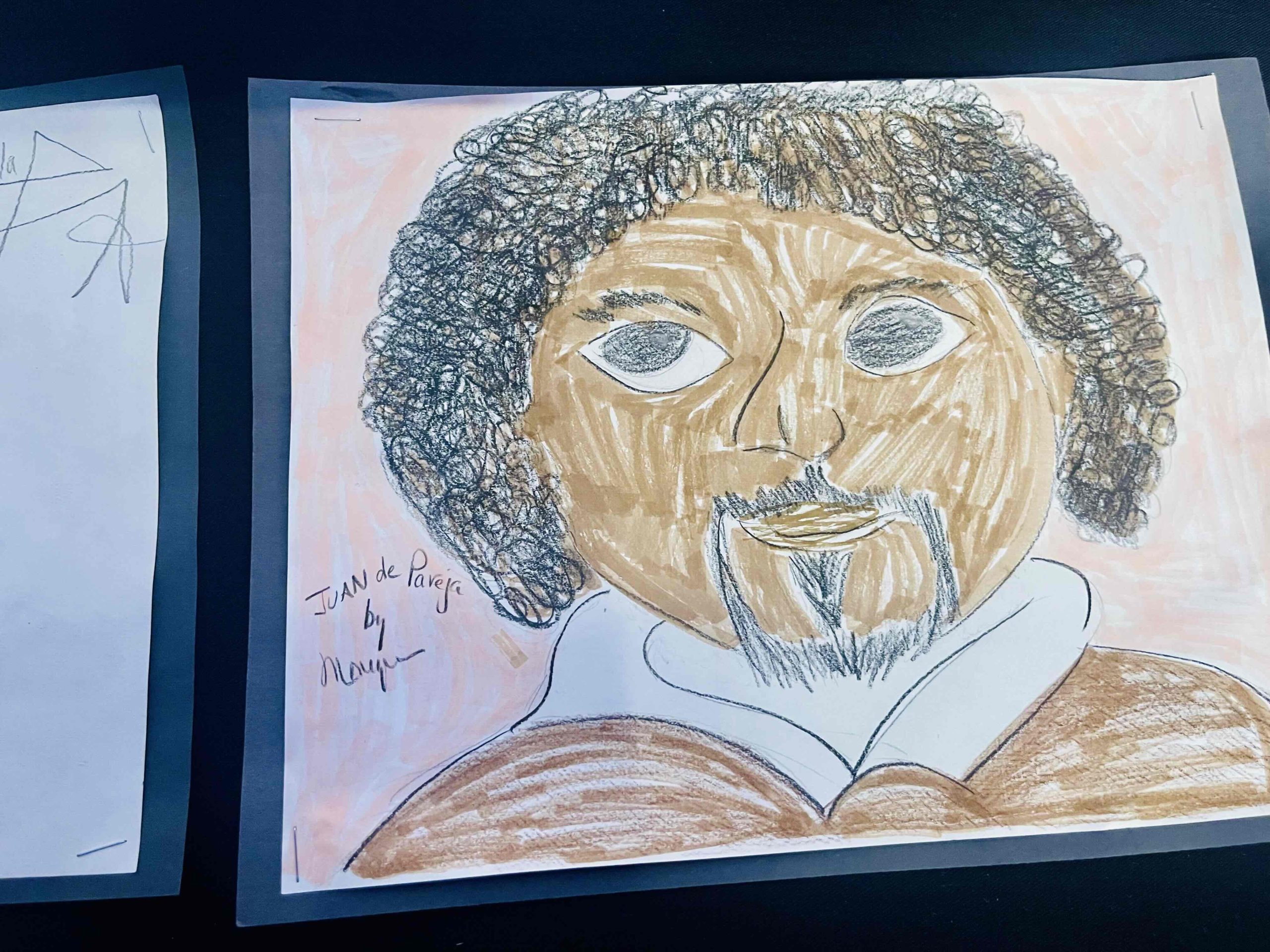
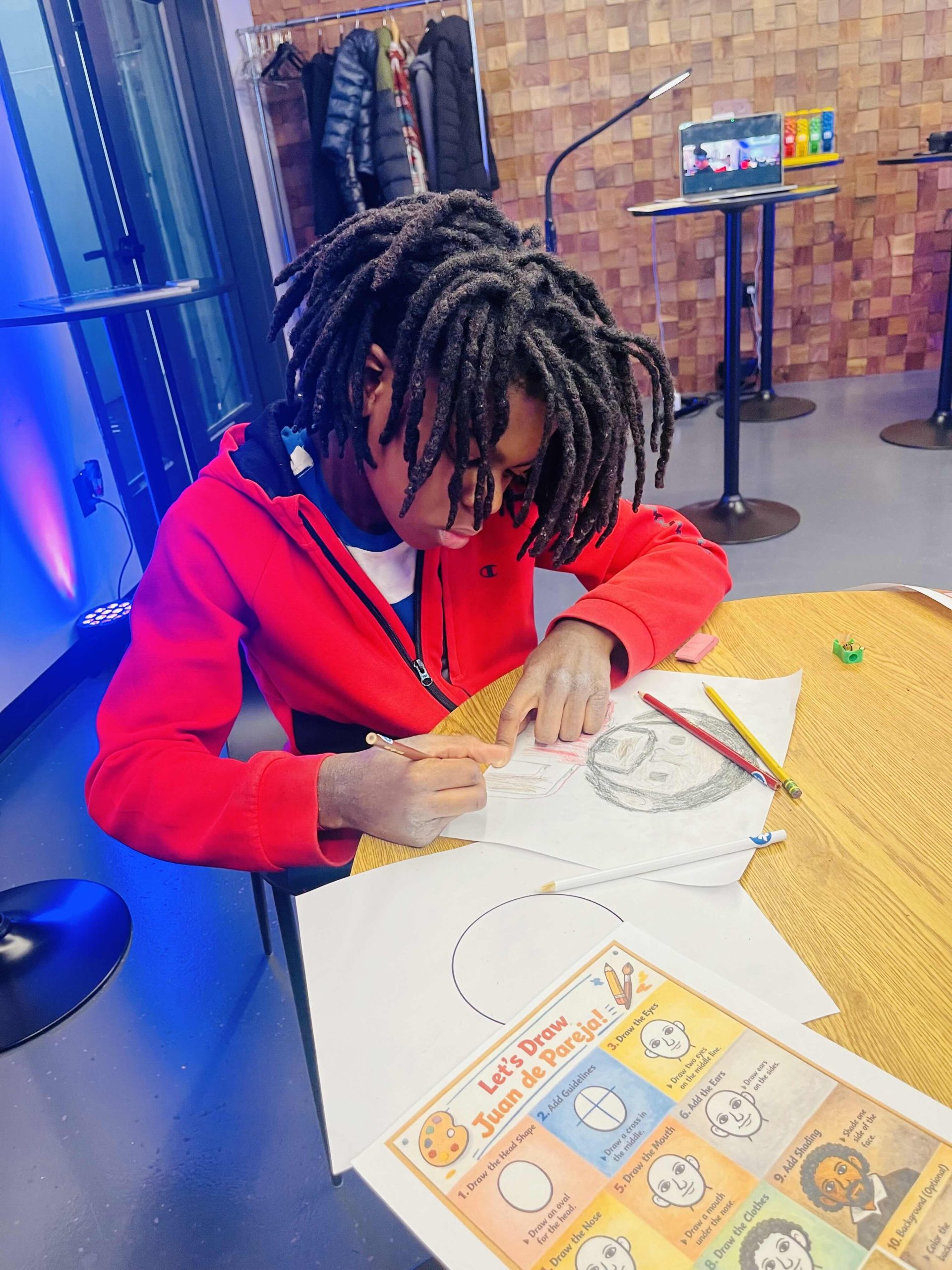
Youth will embark on a creative journey into the filmmaking process behind Juneteenth Reckoning with Slavery: The Making of America through participation in four Art Innovation Lab sessions. These labs explore how Enlightenment-era art and science helped shape the ideologies that justified slavery, land seizure, and the forced removal of Indigenous peoples.
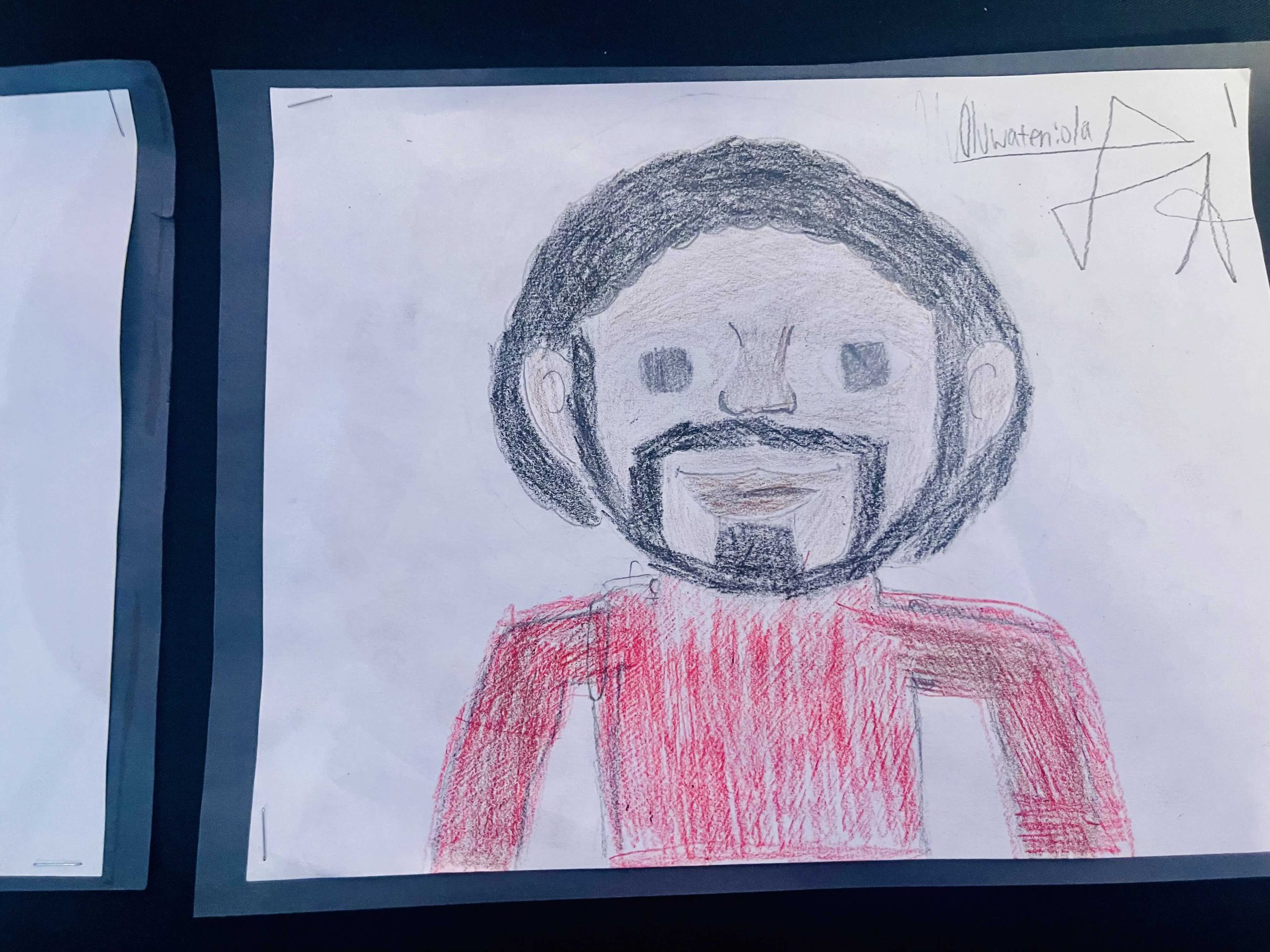
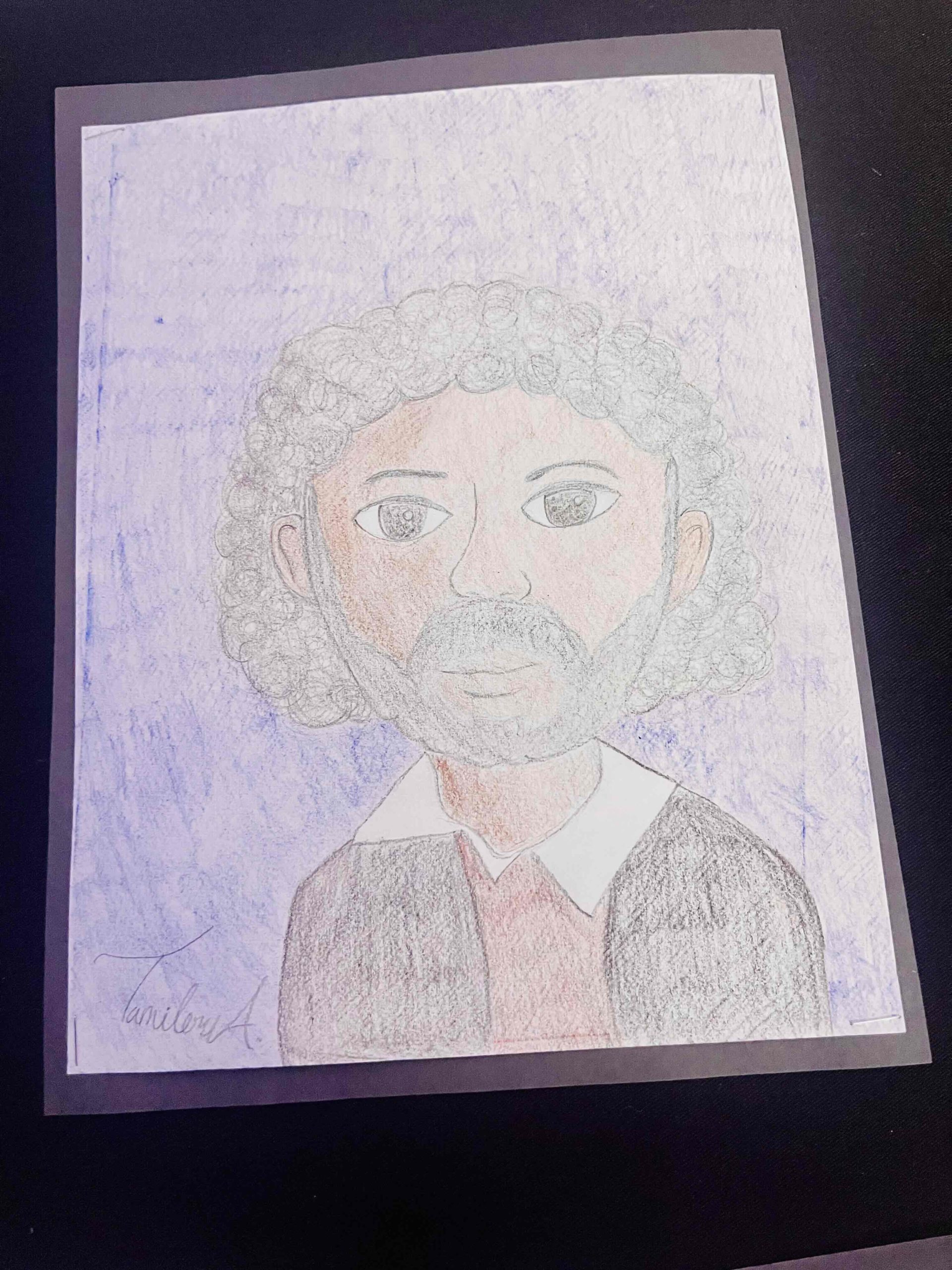
Over the course of six weeks, youth participants will develop and manifest their own allegories of the world they want to see, using visual storytelling, art, and film as tools of inquiry and imagination. Their works will culminate in a public exhibition at the Minneapolis Institute of Art on June 28, the official premiere date of Juneteenth Reckoning with Slavery: The Making of America, presented in partnership with the Minnesota Humanities Center.
To ground their work in historical context, participants will examine stories from the art world that illuminate the hidden histories of race, labor, and artistic production. One such example is the relationship between the Spanish court painter Diego Velázquez and Juan de Pareja.
Between 1649 and 1651, Velázquez traveled to Italy accompanied by Pareja, a man of African descent born in southern Spain who had been enslaved in Velázquez’s studio and household for more than two decades. While in Rome, Velázquez painted the now-famous portrait of Pareja. According to an early biography, the work was so strikingly lifelike that when Velázquez sent Pareja himself to deliver the portrait to friends for their critique, viewers stood in astonishment—unsure whether they should address the living man or the painted figure.
Shortly after completing the portrait, Velázquez signed papers agreeing to free Pareja, though his emancipation would not take effect until 1654. Such delayed manumission was common at the time. Historical evidence suggests that Pareja’s status began to shift even before his official liberation; records indicate that he was occasionally granted his own servant. Once free, Pareja went on to build a successful career as a painter in Madrid.
Pareja’s experience was not unusual within the artistic economy of 17th-century Spain. Enslaved artisanal labor was widespread in the workshops of painters, sculptors, silversmiths, and woodworkers. In Seville alone, historians estimate that nearly half of artisanal households relied on enslaved workers. During this period, approximately 10 to 15 percent of the city’s population consisted of enslaved or newly freed people of African descent, many of whom formed strong Black religious and social fraternities that sustained community life.
By exploring histories like that of Juan de Pareja, youth in the Art Innovation Lab will confront the complex intersections of art, power, race, and labor—while imagining new cultural narratives that center justice, creativity, and human dignity.
Source: New York Metropolitan Museum of Art
About OMG Studios Innovation Lab
